


With many children’s speech already affected, more lockdowns looming, and an extended period of working from home looking increasingly likely, will speech for under-fives be doomed to suffer?
The lockdown we all had to endure over the Spring and Summer of 2020 was, for many families, a great opportunity to bond and for children’s language to flourish. Parents being at home all day with their toddlers meant more time to engage in meaningful conversations, where normally that valuable time is just an hour before bath time and bed.
But there have been a number of young children under the age of five whose speech has suffered. Many parents simply had to continue working full-time while at home, resorting to using the TV or iPad as an all-day childminder. Of course, parents can’t be blamed for this – everyone just did what they could in the circumstances! In other cases, children haven’t been around their peers to develop their social and communication skills or even had the chance to wave goodbye to anyone!
It’s nobody’s fault but recognising and acting on delayed language now could make all the difference.
Says Shermeena Rabbi, speech therapist and founder of Unlocking Language “We’ve seen a rise in enquiries from parents worried about a delay in their child’s speech development. I heard from the parents of a two-year-old who’d resorted to giving their son a screen to entertain him for eight hours a day while both were working. After a while, they realised he was barely speaking. Instead of putting words together he was using single words and wasn’t really interested engaging with them or listening when they read him a book. While technology has its good points, using it like a pacifier means children’s speech and language development are being delayed”.
It’s not just the lack of interaction with parents that’s been problematic. When children are together they copy, play, and interact with each other, commenting and learning to talk and developing their vocabulary in an undemanding way. And in the last few months, they’ve just not been getting the opportunities to interact that they normally would. Under fives learn through copying. But without the benefit of nurseries, playgrounds, play groups and meeting other children at the childminder’s, over the summer they just haven’t had those opportunities.
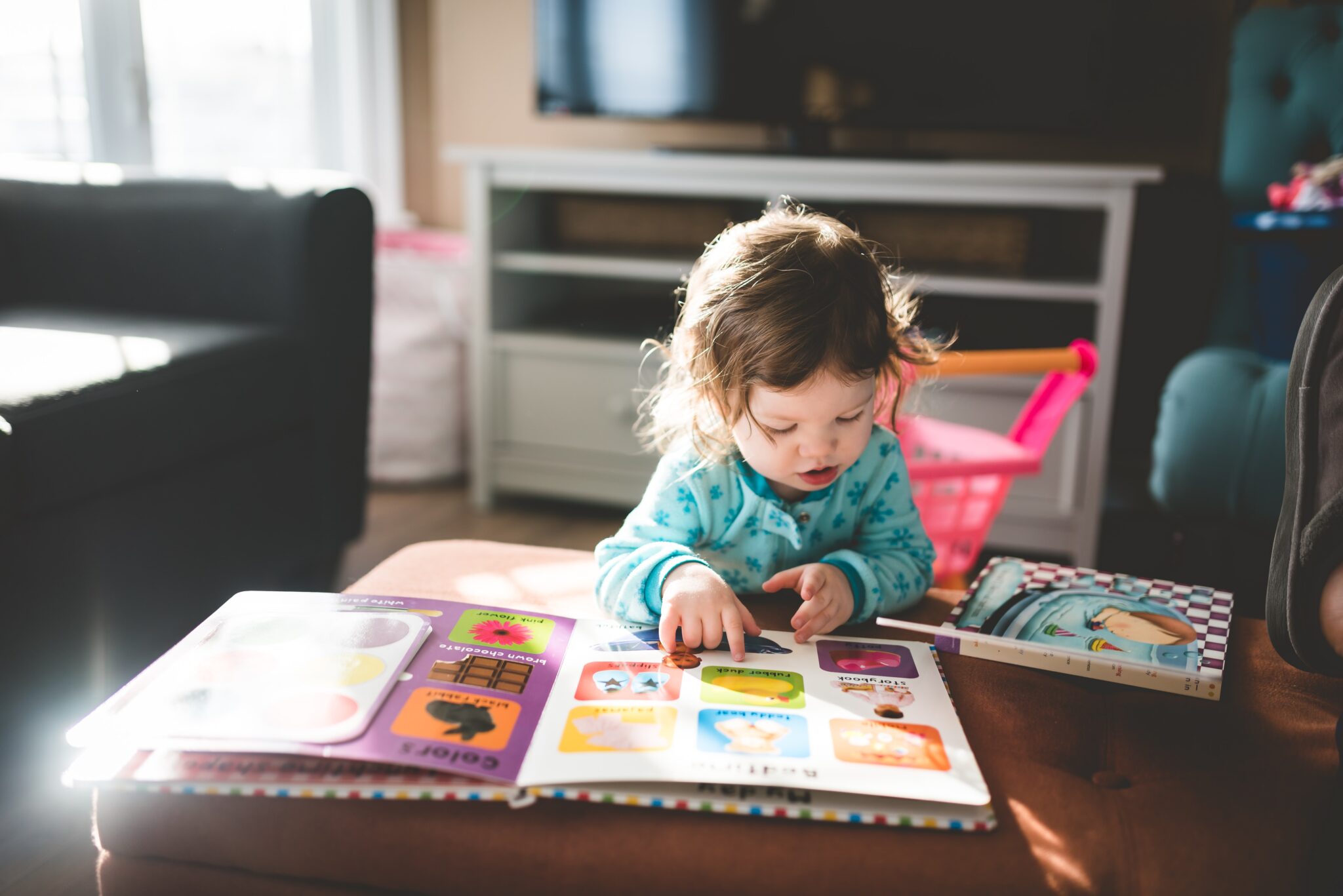
Spending so much time cooped up indoors, children who are naturally shy and lack confidence have been particularly affected, because they haven’t had opportunities to build on their communication skills. Communication is essential to making friends, maintaining those relationships, and interacting. They’ve missed out on opportunities for learning how to do that.
We explore language when we’re out and about, as children are exposed to a new language in the outside world – like “Look at the truck! It’s a big grey truck”. A shopping trip gives lots of opportunities to learn language because you’re talking about what you’re buying and letting your child help you choose. But now we’re shopping online and going out less, which means another social opportunity is lost.
“We have clients whose children are 2-3 years old and at single word level or just starting to put words together, but their vocabulary level is low. They have nouns but may not have verbs. They know ‘apple’ and ‘chair’ but can’t string sentences together using those nouns, because they’re at home so much. They say ‘hungry’ or ‘food’, but can’t say ‘I am hungry’” explains Shermeena Rabbi
Another factor that’s affected children’s speech is the change in routine that Covid 19 has brought, causing anxiety in children and affecting their ability to express themselves. Says Shermeena “They can’t understand the concept of a pandemic, they’re too young, and nor can they comprehend why we can’t hug our grandparents and our friends. That anxiety and not being able to express themselves makes them vulnerable to language delays”.
This is not helped by the wearing of masks (although they are of course vital) Says Shermeena: “A lot of our expression comes from our mouths, from smiling, from laughing – if you can only see the eyes it’s not the same. The impact of masks is huge. When learning words you’re looking at what sounds are coming out. If speech is muffled children can’t learn,” says Shermeena. And masks have another negative impact. “Children can guess a lot from facial cues, and learn language in that way. But with masks those facial cues have gone”.
As life is far from back to normal yet, it’s important to do all we can to help our under-fives with their language development, so that when they eventually do start school, they’re not disadvantaged from the outset.
Shermeena’s Strategies To Facilitate Your Child’s Language Skills
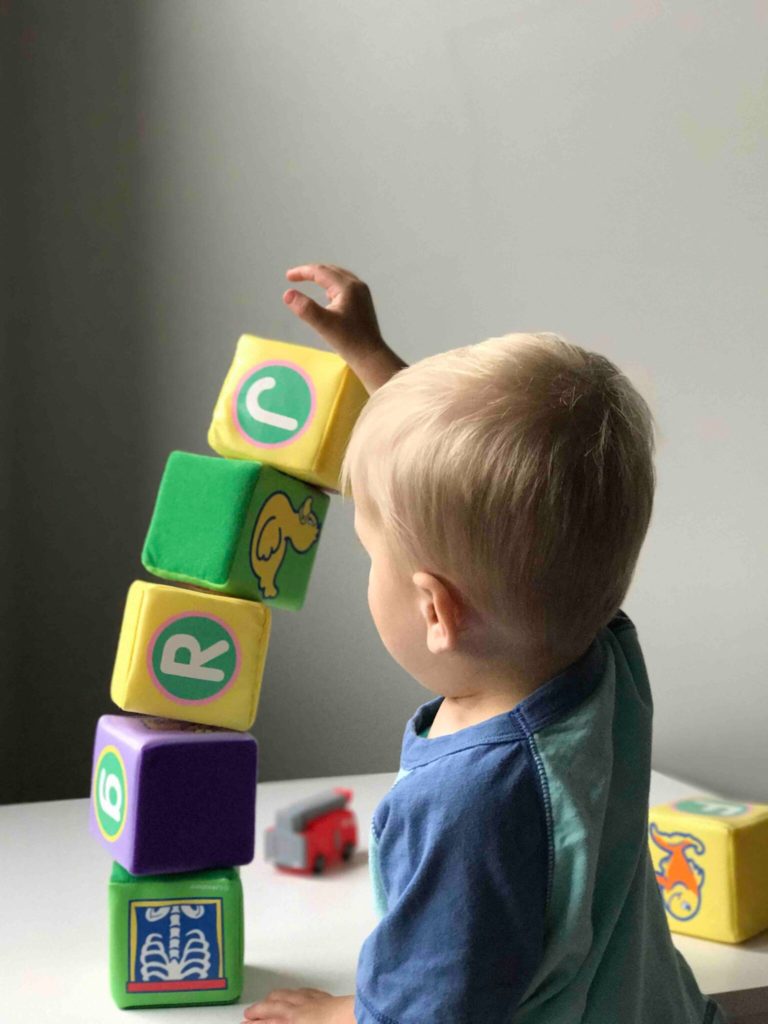
1.Expand on what your child has said. If they say dog say ‘Oh well done, yes, that’s right it’s a big black dog’. If they get the praise they’ll want to do more.
2. Sometimes as parents we correct the way our children say things. So if they say cap instead of a cat, say ‘Yes that’s a cat’, showing them the right way. And when they get it right praise them and be specific – ‘Yes you really got that ’t’ sound, well done’.
3. Make word learning fun – when you’re out on a walk fill a carrier bag with your finds – a twig, acorn, conker, pebble, etc, then get your child to name them when you get back. Do it with different household items in each room. Or take photos on your phone to help develop word learning in an interesting way.
4. When engrossed in play, sit beside them and comment, rather than asking questions. Join in and get a spoon and a glass – ‘let’s feed the baby’. In this way, you’re increasing their vocabulary, and your child is listening.
5. Set aside 10 minutes of special time every day with one parent to play together with no other distractions. No questions, just comment and let the child lead. And praise them – ‘well done, that’s a fast car’. Without distractions you can really bond and make eye contact, helping to develop their language.
