

Paediatric Occupational Therapy
Unlocking Language is broadening its expertise beyond speech and language therapy to offer dedicated paediatric occupational therapy. Our new service supports children and young people from infancy through adolescence who experience challenges with sensory processing, motor planning, handwriting, coordination, self‑care and other daily activities.
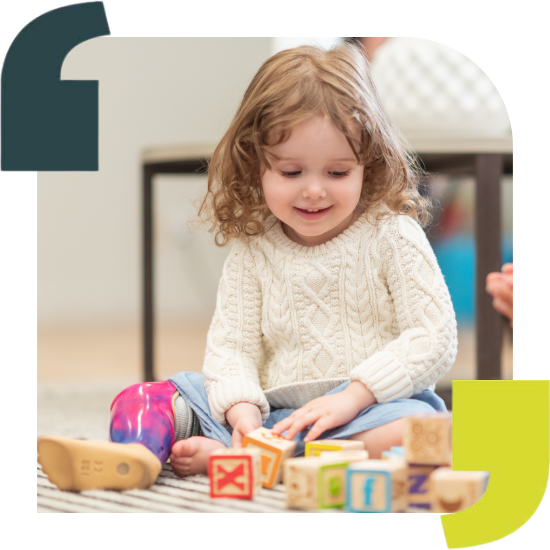


Expert Support for Your Child’s Development and Independence
Occupational therapy for children focuses on helping young people develop, recover, or maintain the skills needed for daily living and learning. Unlike adult occupational therapy, paediatric occupational therapy uses play as the primary vehicle for learning and development, making sessions enjoyable while targeting specific developmental goals.
Our paediatric occupational therapy services provide specialised support when your child needs help developing the skills necessary for daily life. Whether your child struggles with getting dressed, holding a pencil, or managing sensory experiences, our qualified therapists work alongside families to build confidence and independence through purposeful, engaging activities.
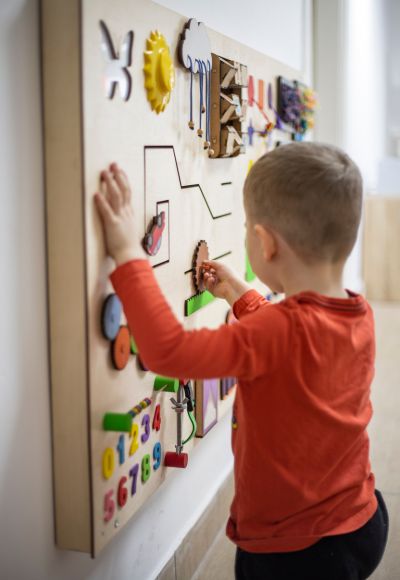
Empowering Confidence
How paediatric occupational therapy can help children?
Occupational therapy for children focuses on helping young people develop, recover, or maintain the skills needed for daily living and learning. Unlike adult occupational therapy, paediatric occupational therapy uses play as the primary vehicle for learning and development, making sessions enjoyable while targeting specific developmental goals.
Our paediatric occupational therapist works with children who have various conditions including autism, ADHD, dyspraxia, and cerebral palsy. The therapy addresses multiple areas of development simultaneously, helping children reach developmental milestones while improving fine and gross motor skills. Children’s occupational therapy can make a significant difference in your child’s ability to participate fully in home, school, and community activities.
The approach recognises that every child develops at their own pace and faces unique challenges. Through careful assessment and individualised planning, occupational therapy for children creates pathways for success that honour each child’s strengths while addressing areas of difficulty. Our therapists understand that small improvements in daily skills can lead to significant gains in confidence and independence.
Our Approach
Using purposeful, age-appropriate activities and play, our therapists work alongside the child and their family to build confidence and functional skills while integrating therapy into home and school routines. Each child receives a thorough assessment followed by a personalized intervention plan, with therapy delivered at home, in school, or at our clinic based on what works best for your family.
Our private paediatric occupational therapy sessions may include fine-motor exercises such as developing writing and scissor skills, which are essential for academic success. Gross-motor activities focus on improving balance and coordination, helping children navigate their physical environment with greater confidence. We also provide sensory-integration strategies to help children regulate their responses to sensory input, making daily experiences more manageable and enjoyable.
Self-care coaching forms another crucial component of our approach, supporting children in developing independence with dressing, feeding, and toileting. Visual-motor training helps children coordinate what they see with what their hands do, improving skills like catching a ball or copying from the board at school. Our paediatric OT approach ensures that every activity serves a specific developmental purpose while remaining engaging and fun for the child.
We collaborate closely with parents, teachers, SENCOs, and our in-house speech-language therapists to ensure strategies are embedded in everyday routines. This collaborative approach means that the skills your child develops in therapy sessions are reinforced throughout their day, leading to faster progress and better outcomes. We also provide detailed reports for Educational Health and Care Plan (EHCP) contributions, ensuring your child receives appropriate support in educational settings.

Madeleine Swan

Lydia Chong

Abirami Singalingam
Principal Speech and Language Therapist
Madeleine Swan
She/Her
Madeleine graduated from City University in 2011 with a Postgraduate Diploma in Speech and Language Therapy (Distinction) and has been working at Unlocking Language since 2015.
As the Clinical Lead for mainstream schools, Madeleine manages a team of therapists, supporting their clinical development and ensuring a high-quality service. She also oversees our company supervision policy. Madeleine specialises in working with students aged 3-11 who attend mainstream schools, providing assessments and interventions for students with speech sound disorders, Developmental Language Disorder and Autism Spectrum Disorder amongst other diagnoses. She also delivers training and works closely with other members of staff to support the communication development of targeted students.
Madeleine has furthered her knowledge by attending additional training on Makaton, VERVE, Michael Palin PCI and school-aged therapy approaches; Word Aware, Shape Coding, Attention Autism, the evidence base for Developmental Language Disorder and Supervision.
She has experience with a wide range of therapy approaches, including PECS, Intensive Interaction, SCERTS, colorful semantics, and Talkabout.
Her favorite thing about working at UL is ‘My colleagues! I love working with such a supportive, diverse, and talented group of people’.
When she’s not working, you can find Madeleine reading, watching independent films, and doing pen drawing.
Clinical Lead Speech and Language Therapist
Lydia Chong
She/Her
Lydia completed a BSc in Speech and Language Therapy at the University of Reading and has been working as a therapist since 2016. Her particular professional interests lie in teletherapy and the secondary setting, working with children with ASD and SEMH. She is a member of the Shuri Network – the first NHS and care network of BAME women in digital health.
Lydia focuses on delivering therapy that is fun and functional to clients. She believes in empowering individuals and maximizing their potential. She has experience with various approaches, such as PECS and Makaton.
On working at UL: ‘Everyone is really friendly and helpful with clinical questions.’
When she’s not working, you can find Lydia walking, traveling, or playing the piano or ukulele.
Languages:English, Mandarin, Malay, knowledge of Cantonese
Phone:0207 536 9299
Clinical Lead Speech and Language Therapist
Abirami Singalingam
She/Her
Abi undertook her BA at Case Western Reserve University in Cleveland, Ohio, USA, and she studied for her MA in Pennsylvania, USA. Before moving to London in 2020, she worked for various school districts in Chicago and across Maryland.
Her areas of interest and expertise include working with school-age children and a variety of speech and language difficulties.
Abi is also a member of the American Speech-Language-Hearing Association.
Her favorite thing about working at UL is ‘how everyone is so supportive and what an amazing resource everyone is.’
When she’s not working, you can find Abi reading fantasy books, traveling, and eating Thai and Sri Lankan food
Your questions answered
Can’t find the answer to your question? Give us a call, our customer service team would love to help.
What conditions does paediatric occupational therapy help with?
Paediatric occupational therapy supports children with a wide range of conditions including autism spectrum disorders, ADHD, dyspraxia, cerebral palsy, sensory processing difficulties, developmental delays, and learning disabilities. Our therapists also work with children who have experienced injuries or have genetic conditions that affect their ability to participate in daily activities. Even children without diagnosed conditions may benefit from occupational therapy if they struggle with skills like handwriting, coordination, or self-care tasks.
How do I know if my child needs occupational therapy?
Signs that your child might benefit from occupational therapy include difficulty with fine motor tasks like buttoning clothes or using utensils, challenges with gross motor skills such as riding a bike or climbing stairs, sensitivity to textures or sounds, difficulty with handwriting or drawing, struggles with self-care tasks appropriate for their age, or problems with attention and focus during activities. If you notice your child avoiding certain activities or becoming frustrated with tasks that seem easy for their peers, a consultation with our paediatric occupational therapist can help determine if therapy would be beneficial.
What can I expect during my child’s first occupational therapy session?
The first session typically involves a thorough assessment where our paediatric occupational therapist observes your child’s skills and discusses your concerns and goals. This may include standardised assessments, play-based observations, and discussions about your child’s daily routines and challenges. The therapist will explain their findings and work with you to develop a personalised treatment plan. Subsequent sessions will focus on specific goals using activities that are engaging and appropriate for your child’s age and interests.
How long does paediatric occupational therapy take to show results?
The timeline for seeing results varies depending on your child’s individual needs, the specific goals being addressed, and the frequency of therapy sessions. Some children show improvements within a few weeks, while others may need several months of consistent therapy to achieve their goals. Our private paediatric occupational therapy approach allows for regular progress monitoring and plan adjustments to ensure your child is making steady progress. We believe in celebrating small victories along the way, as these often lead to significant improvements over time.
Why Choose Unlocking Language for Your Child’s Occupational Therapy Needs?
By combining occupational therapy with our established speech and language programmes, Unlocking Language offers a truly holistic approach that helps children gain independence, improve social and emotional skills, and thrive at home and school. Our integrated model means that if your child needs support in multiple areas, they can receive coordinated care from our team of specialists who work together to achieve the best outcomes.
Our commitment to family-centered care ensures that you remain at the heart of your child’s therapy journey. We provide training and support to help you implement strategies at home, and we’re always available to answer questions or adjust approaches based on what you observe in your daily routines.
Speak to us today about your Child's Occupational Therapy Needs
Ready to support your child’s development? Contact us today to schedule a consultation with our paediatric occupational therapist and discover how we can help your child build the skills they need for success.
